INDmoney · Investor growth
When the Rules Changed Overnight
We rebuilt a referral program until it worked. Then regulation shut it down, and we had to build it again somewhere else.
See the screens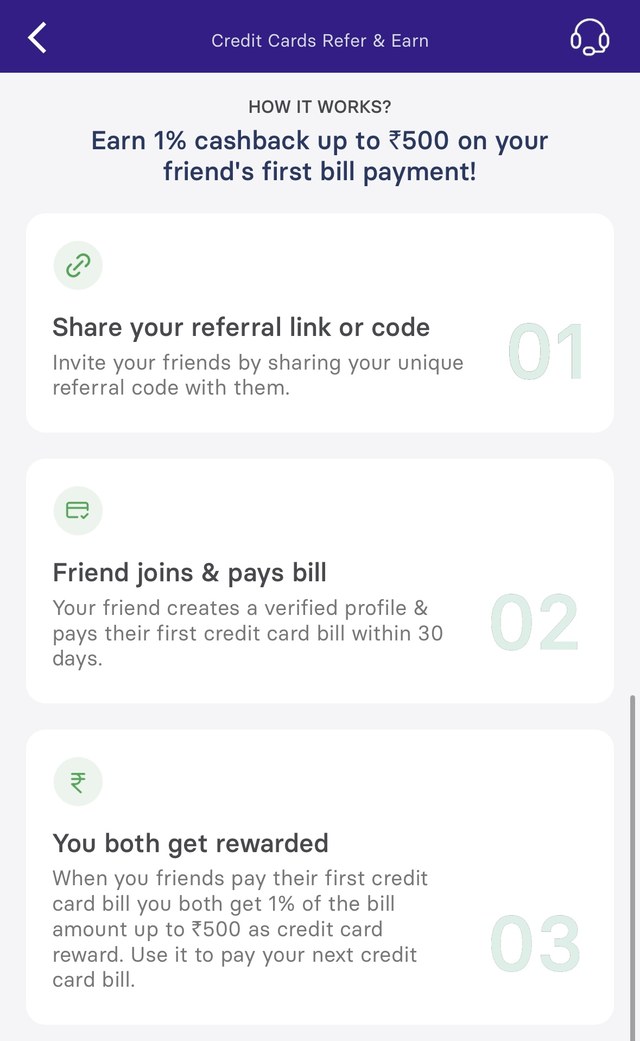
The rebuild
ACT 1
One program for everyone, built for no one
The INDstocks referral program treated every user the same. It was one-way, so only the referrer earned a reward, and the reward didn't care who you were or who you were likely to bring in.
But not all users behave alike. Our hypothesis was simple: investors bring in investors, and traders bring in traders. If that was true, they should be rewarded differently.
Investors
Long-term holders, likely to bring friends who invest for the long run.
Traders
Active, frequent users, likely to bring friends who trade.
ACT 2
Rewarding what a referral is actually worth
Splitting investors from traders was the start. Within each group, activity varies a lot. Someone who has invested ₹1,000 isn't the same as someone who has invested ₹1 lakh, so their rewards shouldn't be either.
- Investor or trader status
- Overall activity on the platform
- Reward tiered by user value
Rewards scale with how valuable the user is
Illustrative. Actual tiers and amounts aren't shown.
ACT 3
Show people where their referral stands
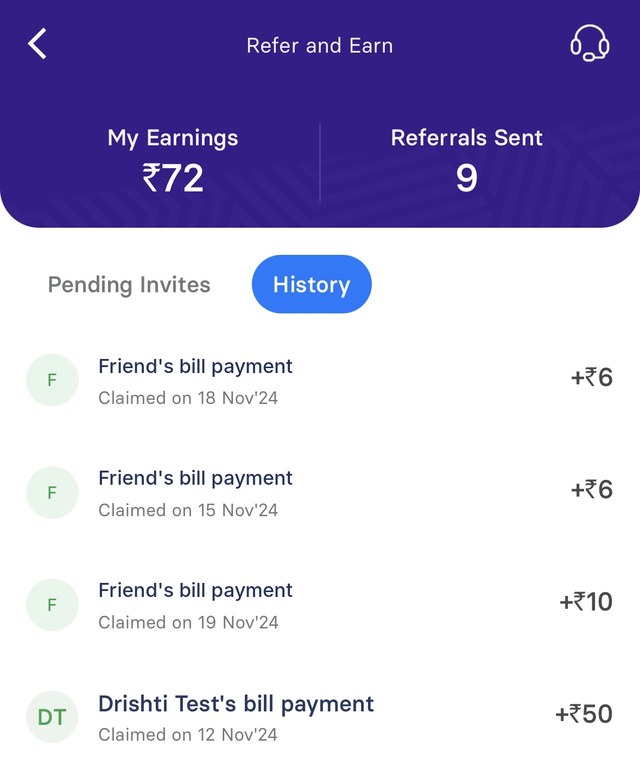
A referral can take days to turn into a reward. Without visibility, that wait feels like nothing is happening. So we redesigned the journey after the share: every referral now shows its status, such as whether the friend signed up with the link or has opened their demat account.
ACT 4
The right moment, the right message
Referral is a cross-sell, so timing matters. We reworked where the entry points appear, aiming for moments when someone is most likely to want to share the app with their network.
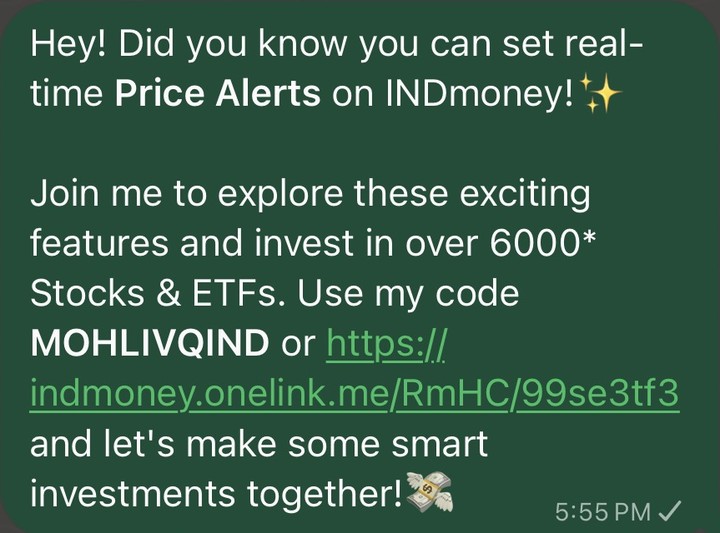
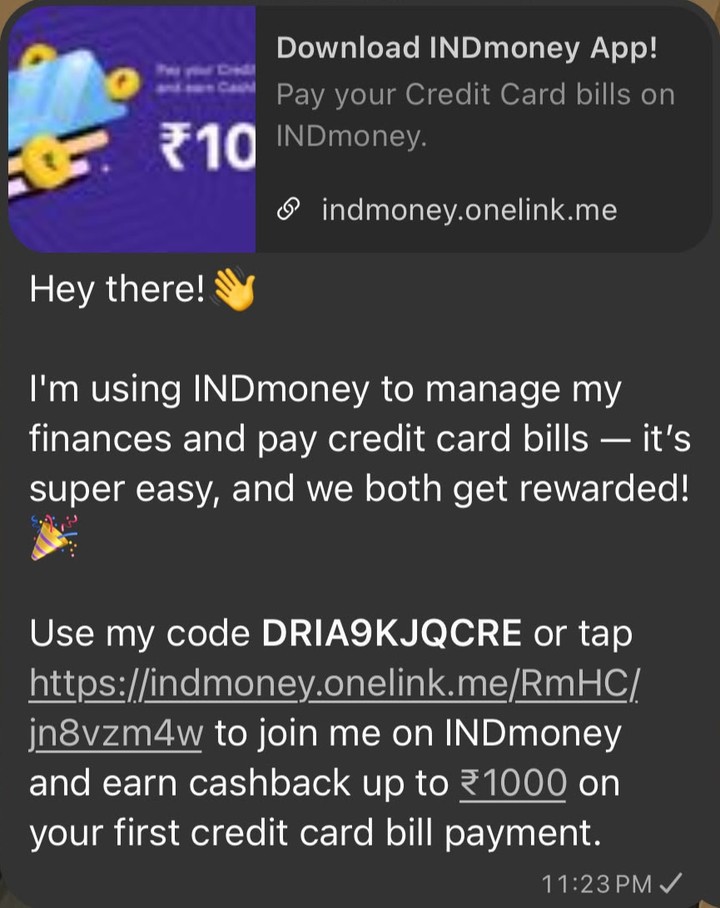
We also customized the WhatsApp share messages and experimented with what they said, including the investment amounts we highlighted.